
The Kentucky Derby was more than two minutes of racing. It was a week-long economic event that pulled in hundreds of millions of dollars through hotel stays, ticket sales, and betting pools, all before the horses even reached the starting gate. This year, the Kentucky Derby drew record-breaking numbers, according to the Churchill Downs Financial Reports, and that provided a boon for the state. Kentucky sports betting added another layer to that picture, and this year's numbers told a story of records in some categories and a surprising dip in others.

The Money Behind the Roses
Churchill Downs released their report, and estimated the Kentucky Derby garnered an all-time record contribution to the team wagering payday. Ultimately, an estimated 24.4 million people watched the Derby, which was up 12% from the previous year. It also delivered an average viewership of $19.6 million, which was up 11% from the prior year.
Beyond the viewership numbers, Churchill Downs Incorporated reported all-time record net revenue of $980 million for the quarter, a 5% jump from the year before, along with a record $477 million in adjusted EBITDA, up 6%. Net income climbed to $241 million, an 11% increase, and earnings per share rose to $3.42. The company credited the growth largely to the Derby itself, pointing to record-breaking Derby Week wagering, increased NBC broadcast revenue, higher ticket sales, and stronger sponsorship and licensing deals. The racing division that includes Churchill Downs Racetrack, called Live and Historical Racing, alone pulled in $575 million in revenue and $318 million in adjusted EBITDA for the quarter.

How People Actually Placed Their Bets
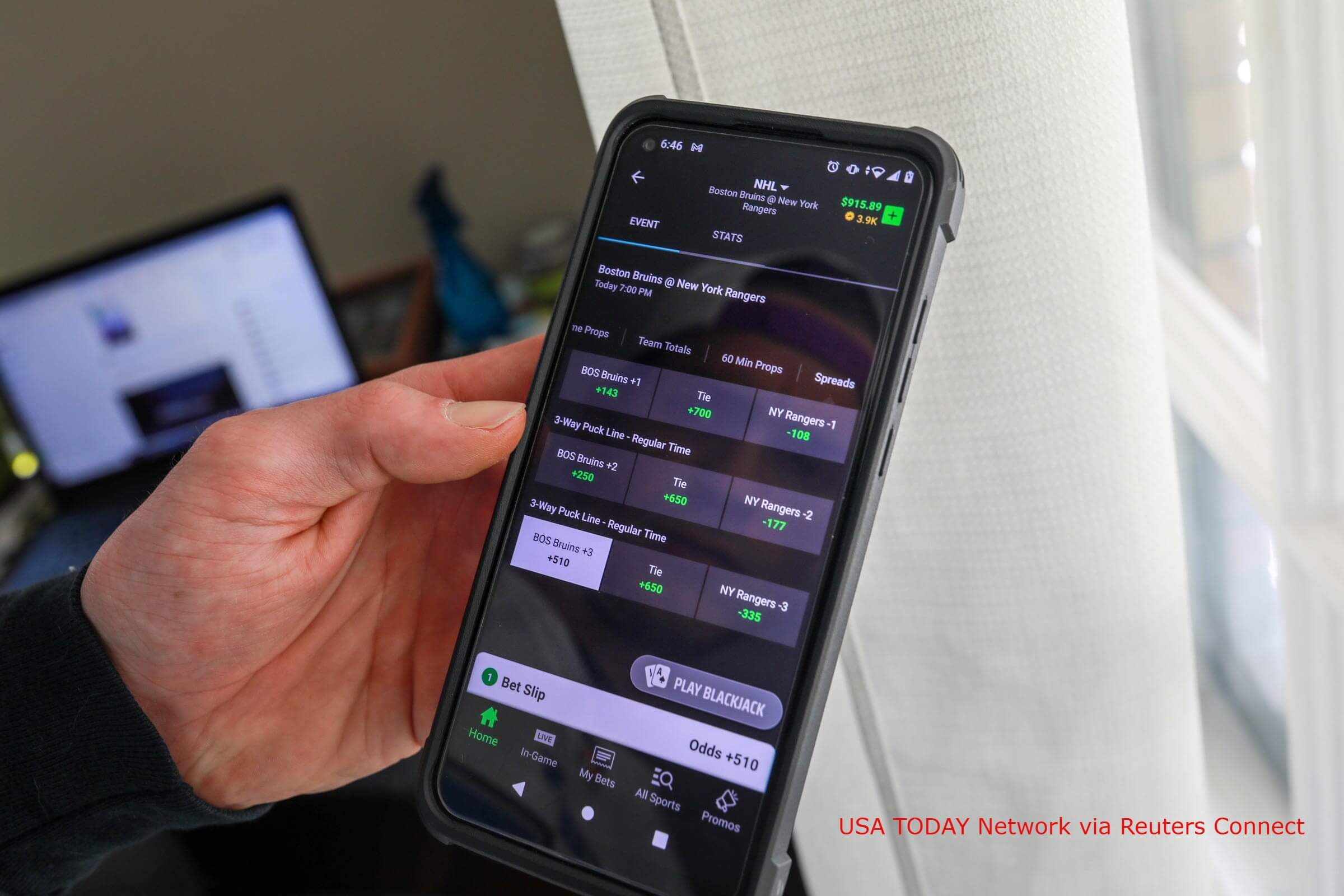
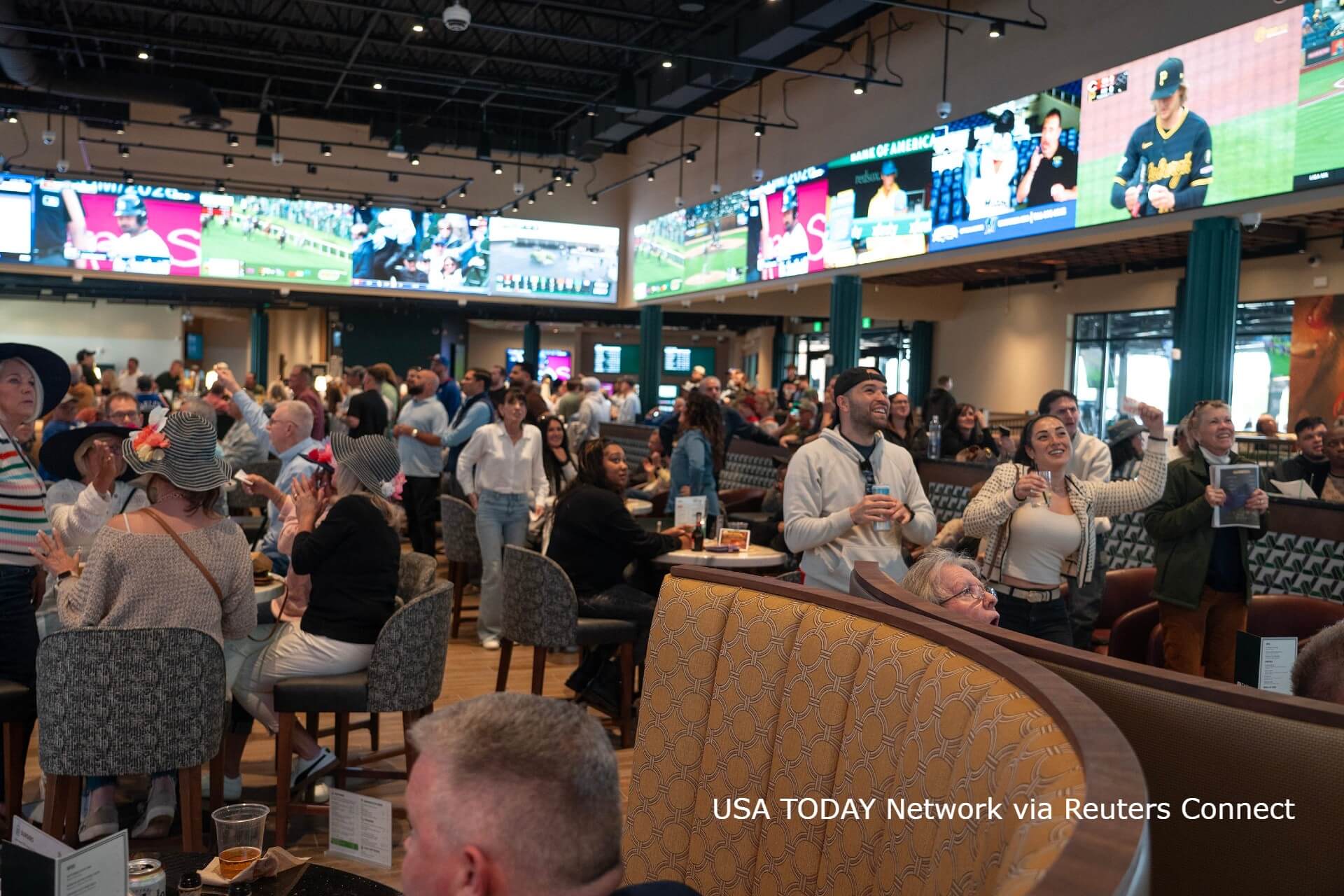
Here is where things got confusing for casual fans: Kentucky Derby wagers were not placed through Kentucky sports betting apps like FanDuel Sportsbook or DraftKings Sportsbook. Federal law required horse racing bets to go through licensed Advance Deposit Wagering platforms instead, such as TwinSpires, FanDuel Racing, DraftKings Racing, and BetMGM Racing. These platforms handled pari-mutuel pools, meaning bettors wagered against each other rather than against a sportsbook, and payouts depended entirely on how much money the public put on each horse.
TwinSpires, the official Derby betting partner, handled $57 million of this year's race total, along with a record $129 million across the full Derby Week. Churchill Downs Incorporated's second quarter 2026 earnings confirmed that Derby Week wagering hit an all-time record and was the single biggest driver behind the company's record $980 million in quarterly revenue and $477 million in adjusted EBITDA. That figure was separate from Kentucky's actual sports betting market, which covered football, basketball, and other traditional sports betting. That market posted $25.9 million in monthly revenue this past May, only slightly ahead of the $25.7 million recorded during the same month last year, showing a much flatter growth curve than the tourism and Derby wagering side of the business. For bettors looking to wager on the Derby itself, downloading a standard sports betting app did not work. The race required a racing-specific account, a detail that continued to trip up first-time bettors every spring.